Shop All


5 seals and how they work with liners for your container

By Dylan Jacobson
Added January 1, 2018
Updated November 3, 2026
Updated November 3, 2026
5 minutes read
If seals could talk, they would probably ask for more fish. And if your packaging could talk, it would probably ask what kind of seal you are planning to use on your product. Trying to choose the right seal for your container CAN be confusing. So let’s talk about the different types of liners that are available to you and the type of seal they provide.
If you are wondering how to seal a container, the lid holds everything in place but the actual liner inside it does the sealing. The function of the lid is to protect the container, but the liner is what makes the seal, pressing against the rim to keep your product in and air, moisture, and curious fingers out. Not all liners are the same, and each one has a different sealing purpose and function.
Which Questions Should You Ask Before Choosing a Liner?
A few questions will narrow down the type of sealing your packaging needs before you ever look at a catalog page:
- Do I need tamper evidence for my product?
- Is my product a liquid, a solid, or a powder?
- Do I need an airtight or leak-resistant seal?
- How am I going to find time to watch all these baby seal videos on YouTube? (Last we checked, there were more than anyone could get through.)
So for answers to these questions about liners, let’s take a look at the liner-up Container and Packaging has to offer.
The 5 Types of Sealing in Packaging at a Glance
Packaging seals come in five main styles for caps and lids, and this table shows how they compare before we get into the details.
| Liner | How it seals | Best for | Tamper evident? |
|---|---|---|---|
| Foam (F217) | Compresses against the rim, no adhesive | Dry goods and simple products | Not on its own |
| PS liner | Adhesive bonds to the landing | Quick-turn products where ease of use matters | Limited |
| HIS (heat induction) | Foil bonded to the rim by an induction sealer | Food, pharmaceutical, and cosmetic products | Yes |
| Polycone | Cone-shaped insert molds to the container edge | Oils, cleaners, and chemicals in phenolic lids | Not on its own |
| Plastisol | PVC gasket forms an airtight seal on glass | Canning and hot-fill glass jars and bottles | With a tamper-evident lid |
What Do Foam Liners and the F217 Do?
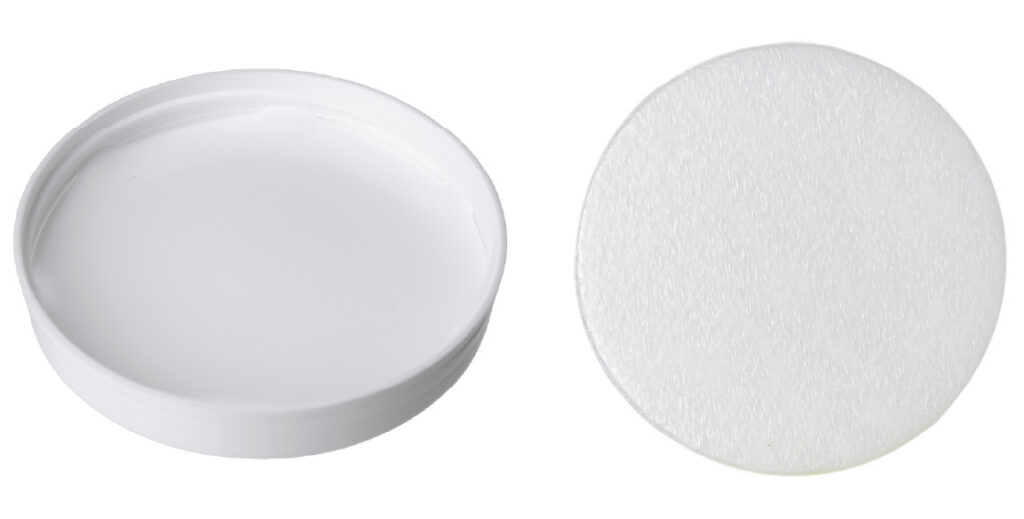
Foam liners, including the F217, are a lightweight, budget-friendly way to seal a container without adhesive or any special equipment. They suit dry goods and simple products that do not need tamper evidence, and since they come ready to use, they are the liner that shows up, does its job, and never asks for special equipment. Browse our liners and seal discs to see what fits your lids.
How Does a PS Liner Seal a Container?
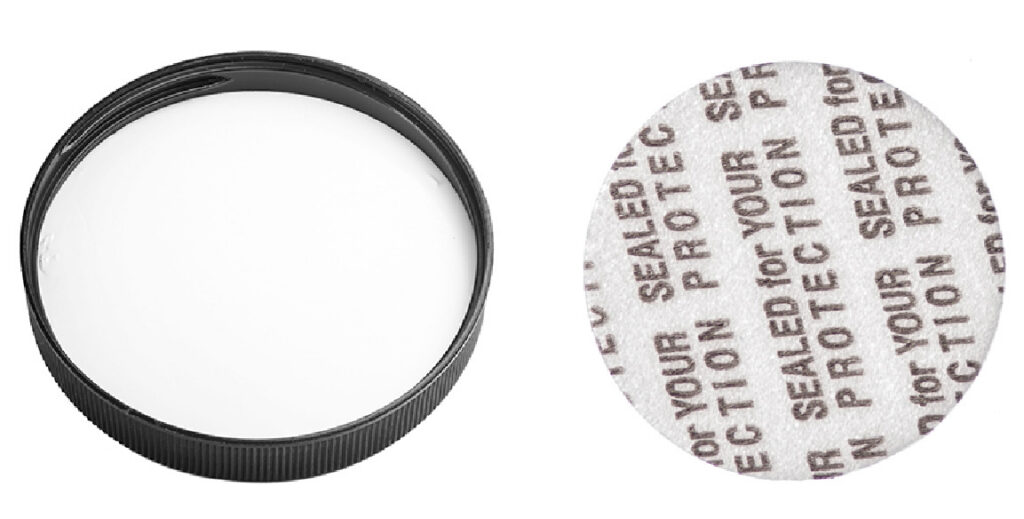
The PS liner (also known as PS 22 or PS 21) has one adhesive side that sticks to the landing of the container when pressure is applied by the closure. (The landing of a container is the sealing surface of the container’s mouth, which sounds like an airport term but involves fewer snacks.) When the lid comes off later, the PS liner stays stuck to the landing instead of coming along with the lid. PS liners are easy to use and need no extra machinery, which makes them a solid pick for quick-turn products, though they are not meant for long-term storage.
When Should You Use an HIS (Heat Induction Seal) Liner?
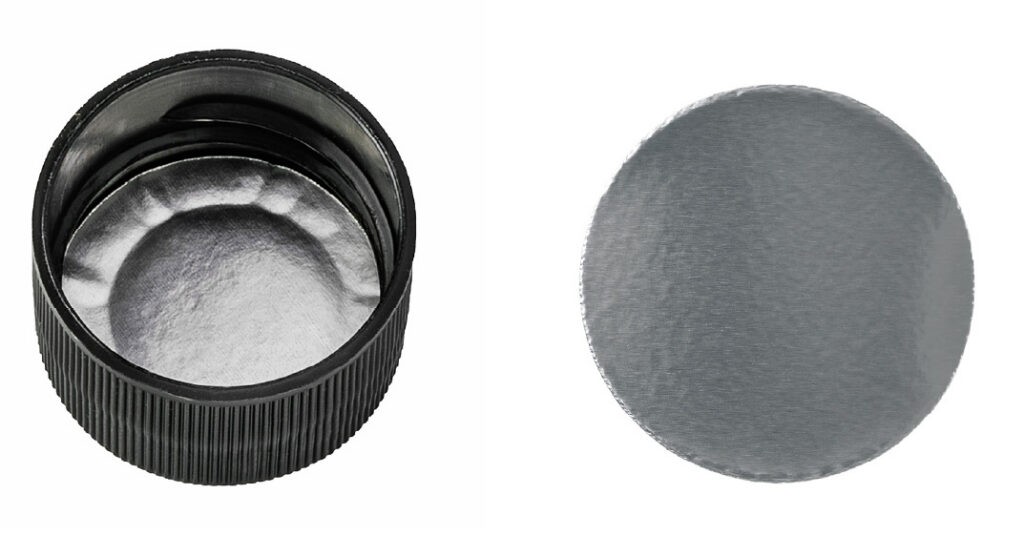
The HIS liner, also called a heat induction seal or induction liner, gives you a strong tamper-evident seal, and in exchange it is a little pickier about how it is applied (it is the liner equivalent of a houseguest with a very specific list of requirements). This liner needs an induction sealing machine to make a hermetic seal, as well as being properly paired to the resin type of the container being used. Our post on how heat induction seals work and how to apply them walks through the whole process.
What Is a Polycone Liner Best At?
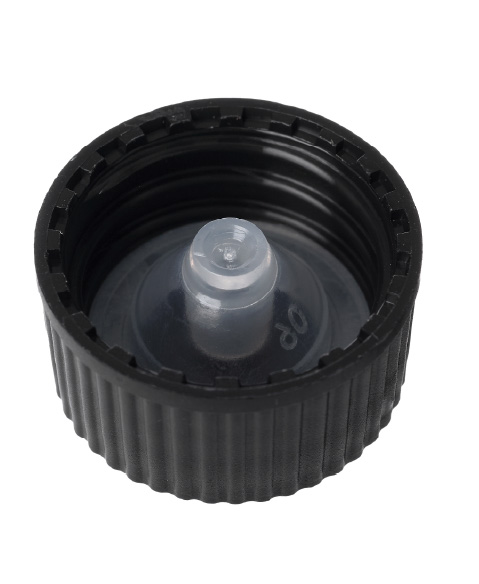
The polycone liner is a cone-shaped, oil-resistant insert found inside many phenolic lids, and its whole job is to mold itself around the edge of your container when you tighten the cap. Phenolic lids are tough and chemically inert, which is a fancy way of saying they are unbothered by almost everything you might put in the container, so the pairing is a popular one for oils, cleaners, and other products that make leaks expensive. We cover the details in our guide to polycone liners.
Why Do Plastisol Liners Work So Well on Glass Jars?
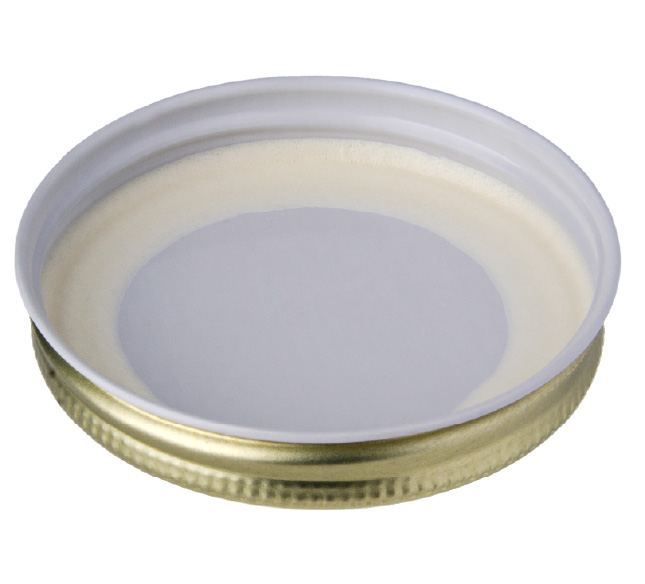
Plastisol is a PVC gasket that creates an air tight seal with a glass jar or bottle, and it is the sealing material behind most of our one-piece metal canning lids. Heat from hot-fill or a hot water bath softens the plastisol so it can mold around the jar’s landing, then it sets as the product cools, much like a very patient handshake. If you are canning, our explainer on plastisol liners goes further.
Which Liner Should You Pick for Your Container?
So now that you have been introduced to our liners and the types of seals they provide, your container can rest easy knowing that awkward conversation about seals has been resolved. Still not sure which liner to use? The liner landscape guide compares heat induction, foam, and pressure-sensitive liners side by side.
Discovering that a liner does not suit your product after you have filled 2,000 units is a lesson best learned from a sample. You can request a sample from the product page (shipping and handling applies, and a few large items are excluded), or contact our team or call (800) 473-4144 and we will help you work out the right liner before you commit to a full run.
Amber Glass
Articles
Blog
Bottles
Caps, Closures & Dispensing
Closures
Container Updates
Cosmetics and Beauty
Customer Stories
Environmental Impact
Food and Beverage
Glass Bottles
Glass Jars
Glass Packaging
Guide
Guides
Health and Pharmaceutical
Infographic
Infographics
Mason Jars
Metal Containers
Oils and Aromas
Packaging Design
Plastic Bottles
Plastics
Sustainable Packaging
The Fun Stuff
Trends and Technology
Uncategorized
Videos