



What are the 7 main plastic (resin) types?


There are really 7 major plastic types: HDPE, LDPE, PP, PVC, PET, PS and other. This isn't an exhaustive list of every property of every plastic, but it should get you on your way to becoming a plastic wizard! Whether you are choosing a plastic container, bottle or jar this guide should help.
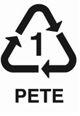
Polyethylene terephthalate (or PET)
PET or PETE (or the obsolete PETP or PET-P) is of the polyester family and is used in beverage, food and other liquid containers. PET can be semi-rigid to rigid and is very lightweight. It acts as a good barrier to alcohol (requires additional “Barrier” treatment) and solvents. It is strong, impact-resistant, and naturally colorless and transparent.
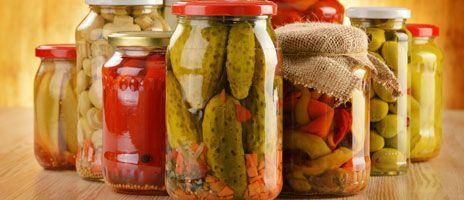
Common uses: soft drink bottles, cooking oil bottles, peanut butter jars, products containing essential oils, some fruit juices, alcohol beverage bottles, space blankets.
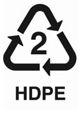
High-density polyethylene
HPDE is made from petroleum. HDPE has a stronger intermolecular force and tensile strength than low density polyethylene (LDPE). It is also harder and more opaque and can withstand somewhat higher temperatures: 120 °C for short periods, 110 °C continuously.
Common uses: milk jugs, distilled water, large vinegar bottles, grocery bags, liquid laundry and dish detergent, fabric softener, motor oil, antifreeze, bleach and lotion.
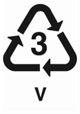
Polyvinyl chloride (or PVC)
Nearly 57% of PVC is chlorine, requiring less petroleum than other plastics. PVC is biologically and chemically resistant. It is the third most widely used plastic after PET and PP. PVC is ideal for storing shampoos, oils, and other chemicals. PVC plastic bottles are durable for long periods of time and can withstand various environmental demands.
Common uses: chemical spray bottles, pipes, electrical wire insulation, clothing, bags, upholstery, tubing, flooring, waterbeds, pool toys, bottles.
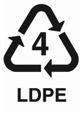
Low-density polyethelene
LDPE is made from oil. Its tensile strength and density is lower, but its resilience is higher than high-density polyethylene (HDPE). It can withstand temperatures of 80 °C continuously and 95 °C for a short time. It can be translucent or opaque, is flexible, tough, and almost unbreakable.
Common uses: dry-cleaning bags, produce bags, trash can liners, food storage containers, bread bags, squeezable containers, six pack soda can rings, food storage.
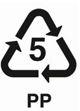
Polypropylene
PP is often used for food packaging. It’s not as tough as HDPE, but it is less brittle. PP is less flexible than LDPE, somewhat stiffer than other plastics, reasonably economical, and can be translucent, opaque, or of any color. PP has very good resistance to fatigue. PP has a melting point of 320 °F (160 °C). Food containers will not melt in the dishwasher nor during industrial hot filling processes.
Common uses: bottle caps, drinking straws, hinged containers, battery cases, dairy tubs (e.g. sour cream, cottage cheese), cereal box liners.
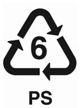
Polystyrene
PS is made from petroleum. Pure solid polystyrene is a colorless, hard plastic with limited flexibility. It can be cast into molds with fine detail. Polystyrene can be transparent or can be made to take on various colors.
Common uses: bottle caps, drinking straws, yogurt cups, clear carryout containers, vitamin bottles, fast food, spoons, knives and forks, hot cups, meat and produce trays, egg cartons, clamshell carryout food containers.
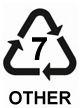
Other
This is the catch all category of all other plastics. Many biodegradable, photo-sensitive, and plant-based plastics fit in this category. Basically any plastic that is not HDPE, LDPE, PET, PVC, PS or PP are put into this category. Additionally, any plastic resin type that has been developed since the original 6 resin types were established in 1988, are marked with the 7 or Other resin identification code. As such, listing common uses for these kinds of plastics is nearly impossible since their applications and characteristics are so diverse.
Want to see these plastics in action?
Check out all our amazing plastic products here!
 Back To Top